Example 1: the neighbourhood café
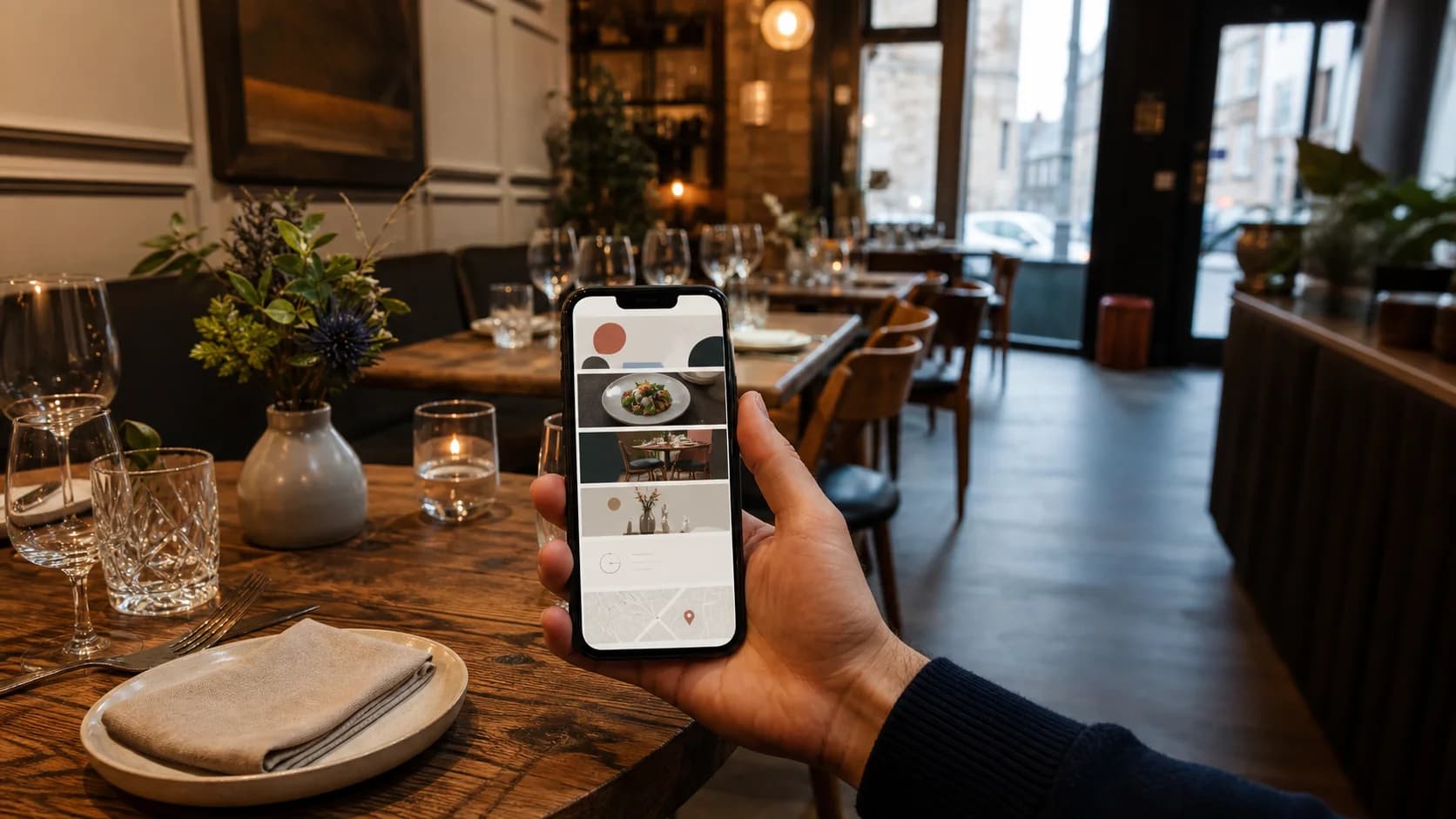
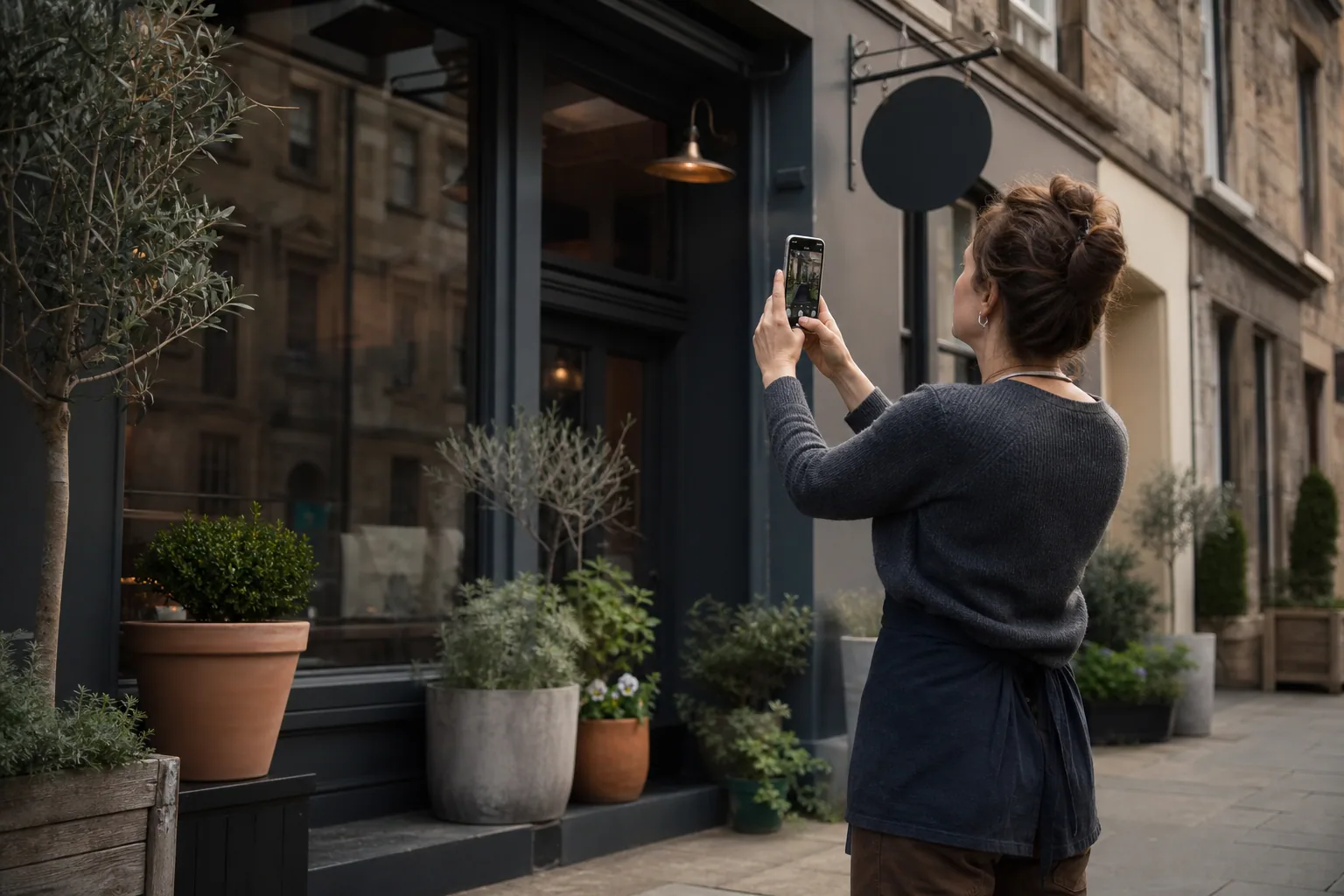
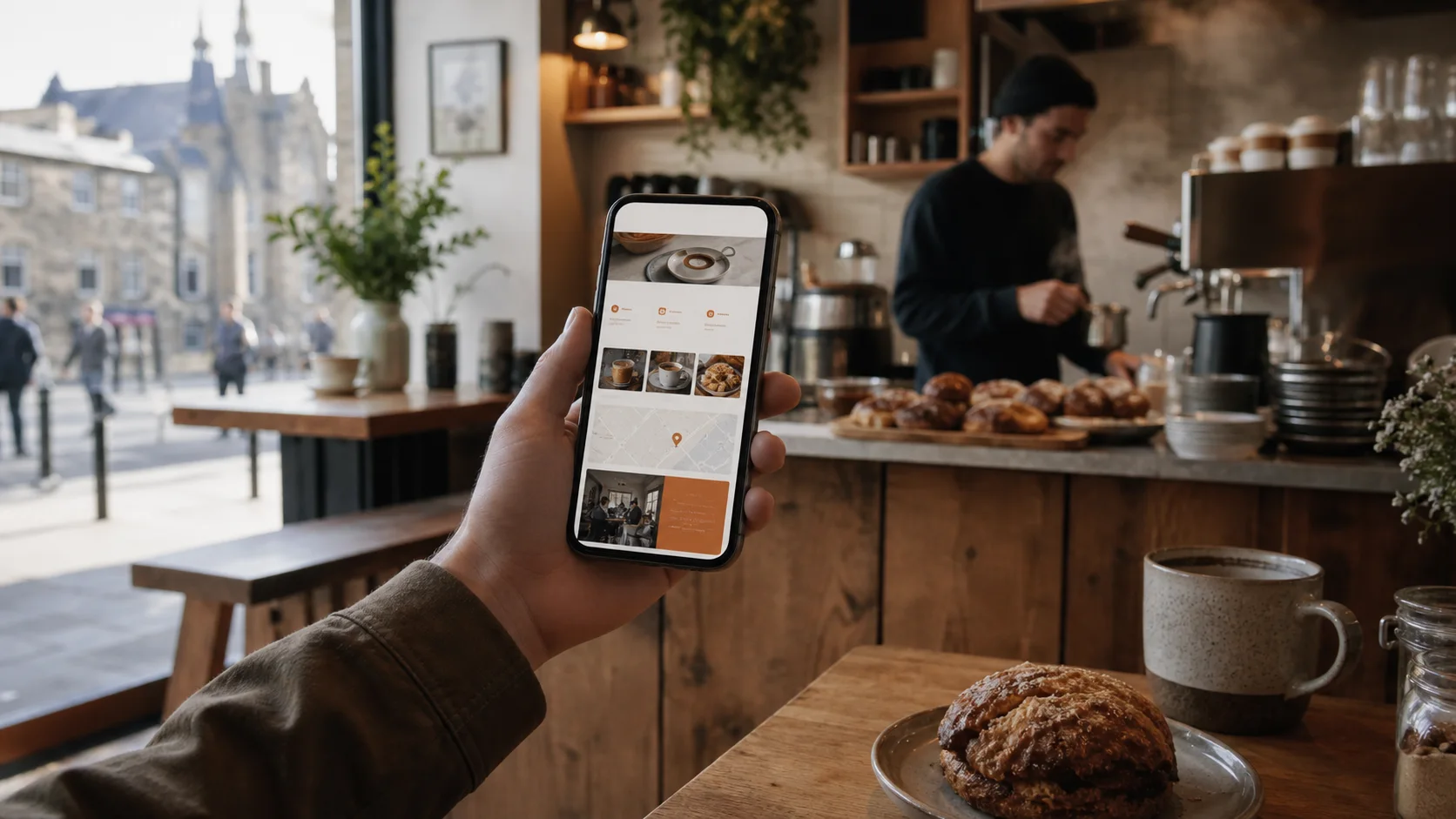
A neighbourhood café mainly needs to convert local curiosity into a visit. Lead with the type of place, location, current hours, and the strongest reason to choose it. Show the frontage as well as the food and interior so a first-time visitor can recognise the venue.
Make phone, directions, menu, and accessibility information easy to reach without opening several pages.
Example 2: the food-led café
If brunch, baking, or a specialist menu drives visits, show representative items, price expectations, service times, and how frequently the menu changes. Identify vegetarian, vegan, gluten-aware, or allergen information carefully and direct customers to staff for the current detail where required.
Do not publish a permanent promise when availability changes daily. Useful caveats create more trust than an outdated menu.
Example 3: the café with several revenue streams
Private hire, events, workshops, wholesale coffee, gift cards, and online orders deserve clear routes when they are real parts of the business. Keep the ordinary visit journey simple and let those secondary offers branch from it.
Each route should explain availability, minimums, lead time, prices or price factors, and the best enquiry method.
Local discovery needs accurate details
Keep the website and Google Business Profile aligned on the name, address, phone, categories, hours, and special closures. Google describes local visibility in terms of relevance, distance, and prominence; accurate information helps customers and supports relevance.
A café does not need pages for every nearby area. A strong location page with transport, parking, landmarks, access, and local context is more useful than duplicated town pages.
The café website checklist
Open the site on mobile data and try to decide whether to visit in under a minute. If opening hours, location, menu expectations, or accessibility remain unclear, fix those before adding another gallery.
- Current hours, special closures, and service times
- Address, directions, exterior photograph, and access information
- Readable menu highlights and dietary guidance
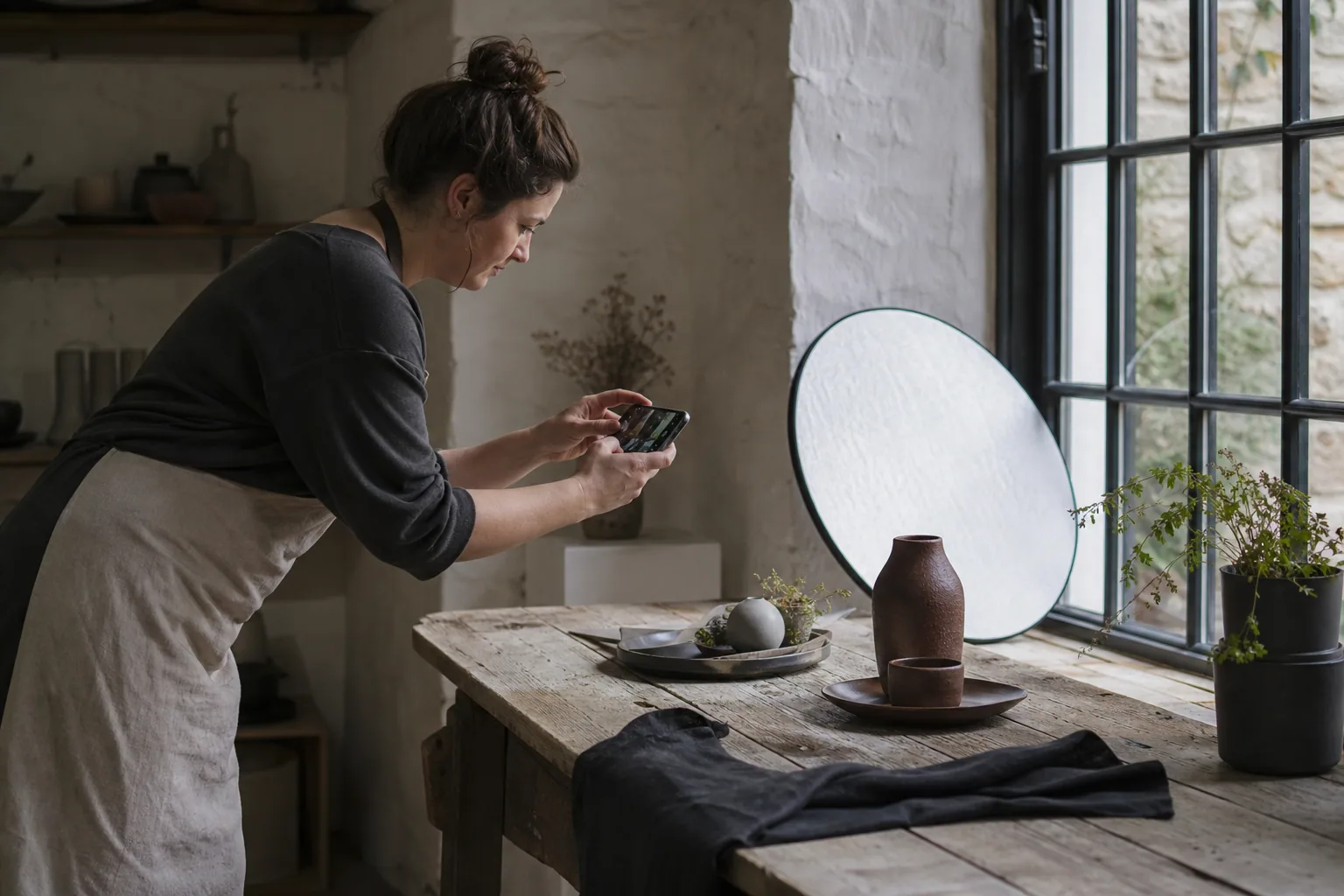
- Real photography of food, people, and atmosphere
- Clear routes for events, hire, wholesale, or orders
- Fast-loading mobile pages and tap-friendly contact details
Takeaway — A café website succeeds when it feels like the venue and works like a practical local guide.
Real client work
Built for real businesses and real enquiries
These are live client websites, each planned around a different customer decision and conversion route.
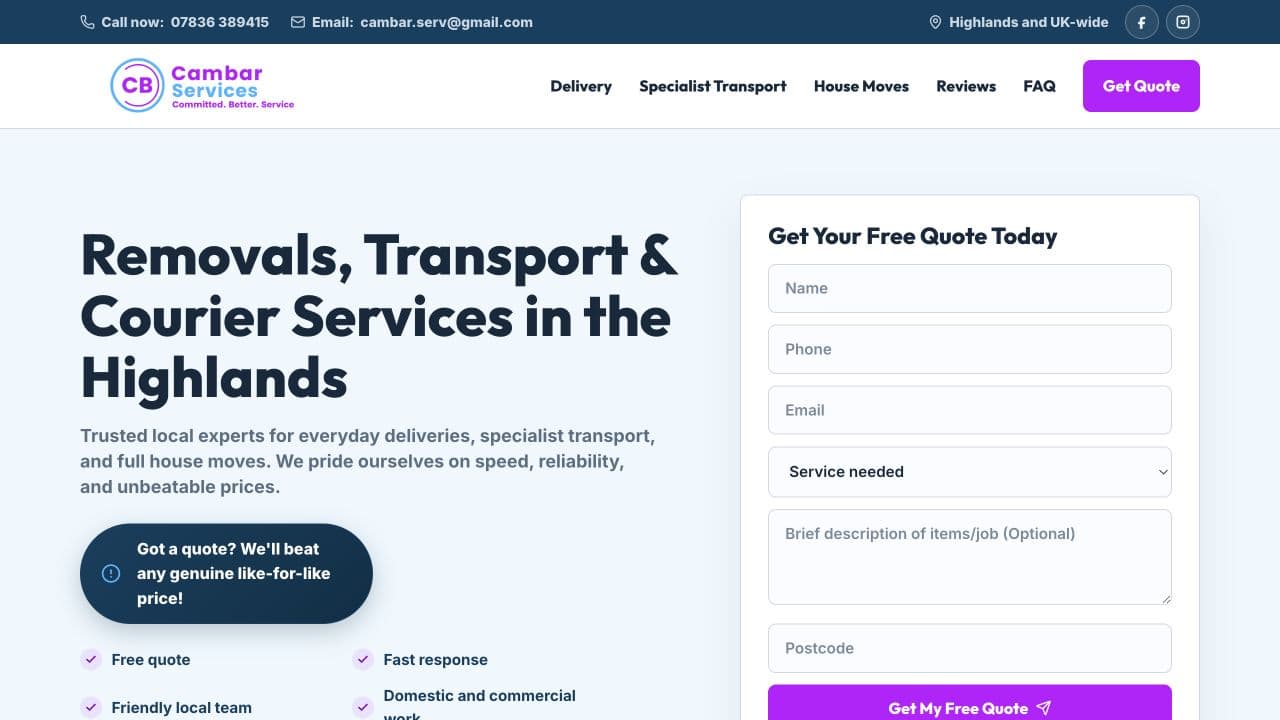
Cambar Services
Built for quote enquiries
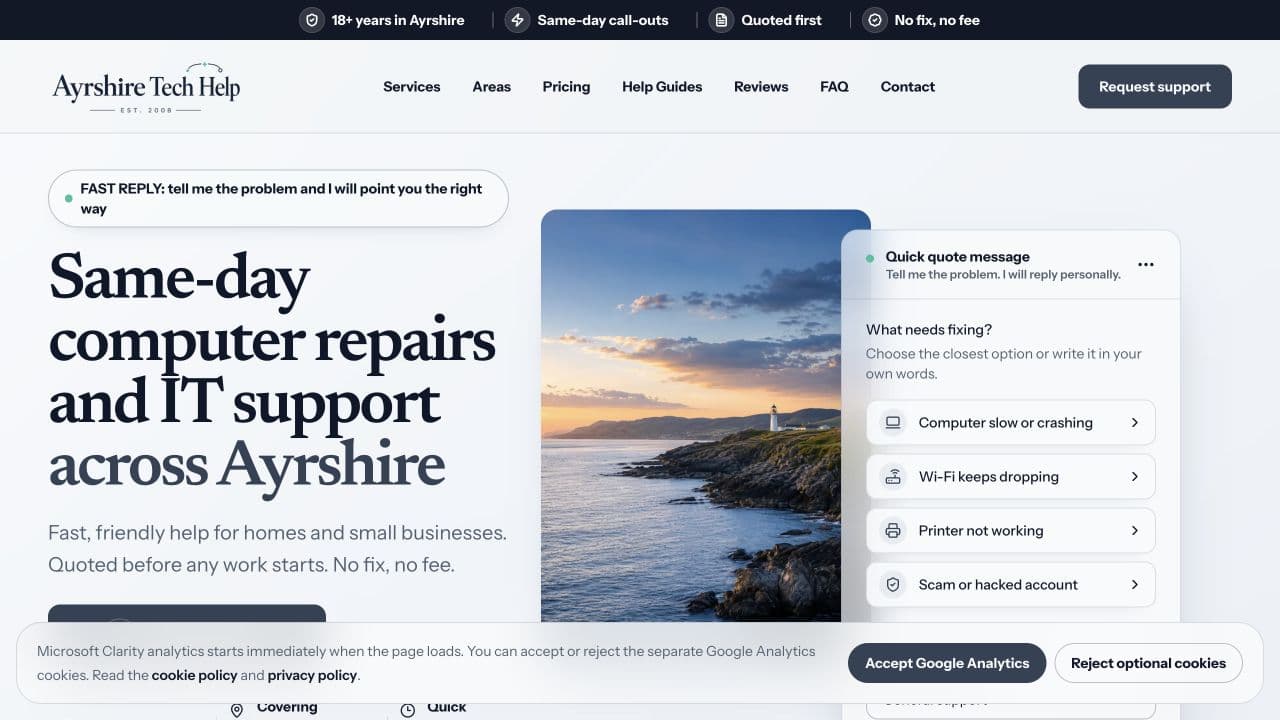
Ayrshire Tech Help
Built for local support enquiries
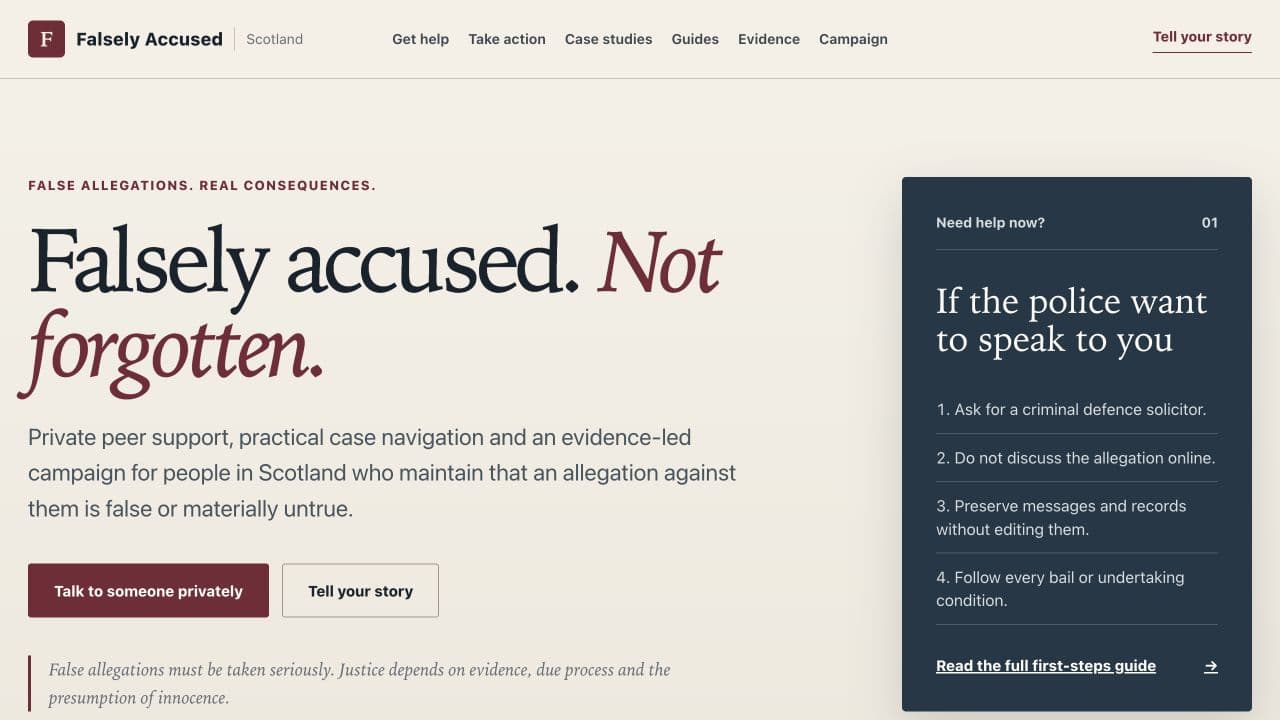
Falsely Accused Scotland
Built for clarity and safe navigation
Useful next step
See café website concepts and client work
Explore Standard Web Co's hospitality examples, including mobile menus, venue atmosphere, and visit-focused layouts.
See café website concepts and client workSources
- Tips to improve your local ranking on Google — Google Business Profile Help
- Creating helpful, reliable, people-first content — Google Search Central
- Google image SEO best practices — Google Search Central
- WCAG 2 Overview — W3C Web Accessibility Initiative