Example 1: the neighbourhood restaurant
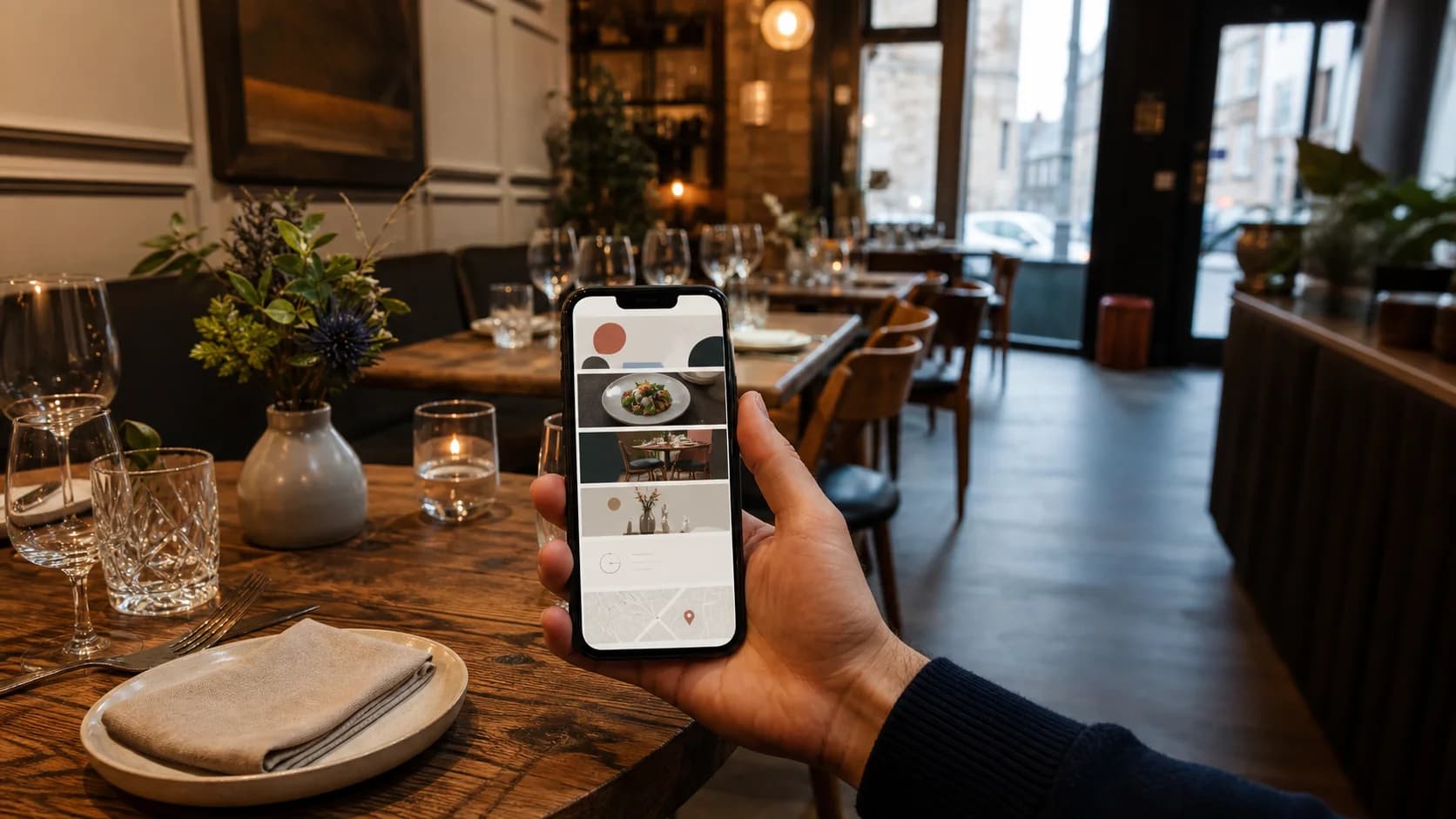
The homepage should quickly establish the food, place, price level, opening pattern, and atmosphere. A small set of current photographs and a short description often does more than a full-screen video.
Give regular customers a fast route to the menu and bookings. Give first-time visitors the address, travel or parking detail, accessibility information, and a clear view of what the room feels like.
Example 2: the occasion-led restaurant
A tasting-menu or special-occasion venue needs to reduce a different risk. Show the experience, sample menu, duration, dietary approach, dress expectations if relevant, deposit terms, and how to ask a question before booking.
Premium presentation should not hide practical details. Confidence comes from specificity as much as photography.
Example 3: the restaurant with takeaway or delivery
Separate dining reservations from ordering so customers do not enter the wrong journey. Explain collection areas, delivery coverage, minimum orders, expected times, and whether prices differ across third-party platforms.
If direct ordering is not supported, link cleanly to the chosen provider and keep the restaurant's own contact details and core information available.
Menus must work on a phone
A downloadable PDF can be useful for printing, but it should not be the only version. Small text, multi-column layouts, and scanned images are difficult to read and update. Publish the important choices, prices, and dietary notes as responsive page content wherever practical.
Use headings and consistent naming so customers can scan. Mark sample or seasonal menus honestly and add the date when details change frequently.
The restaurant website checklist
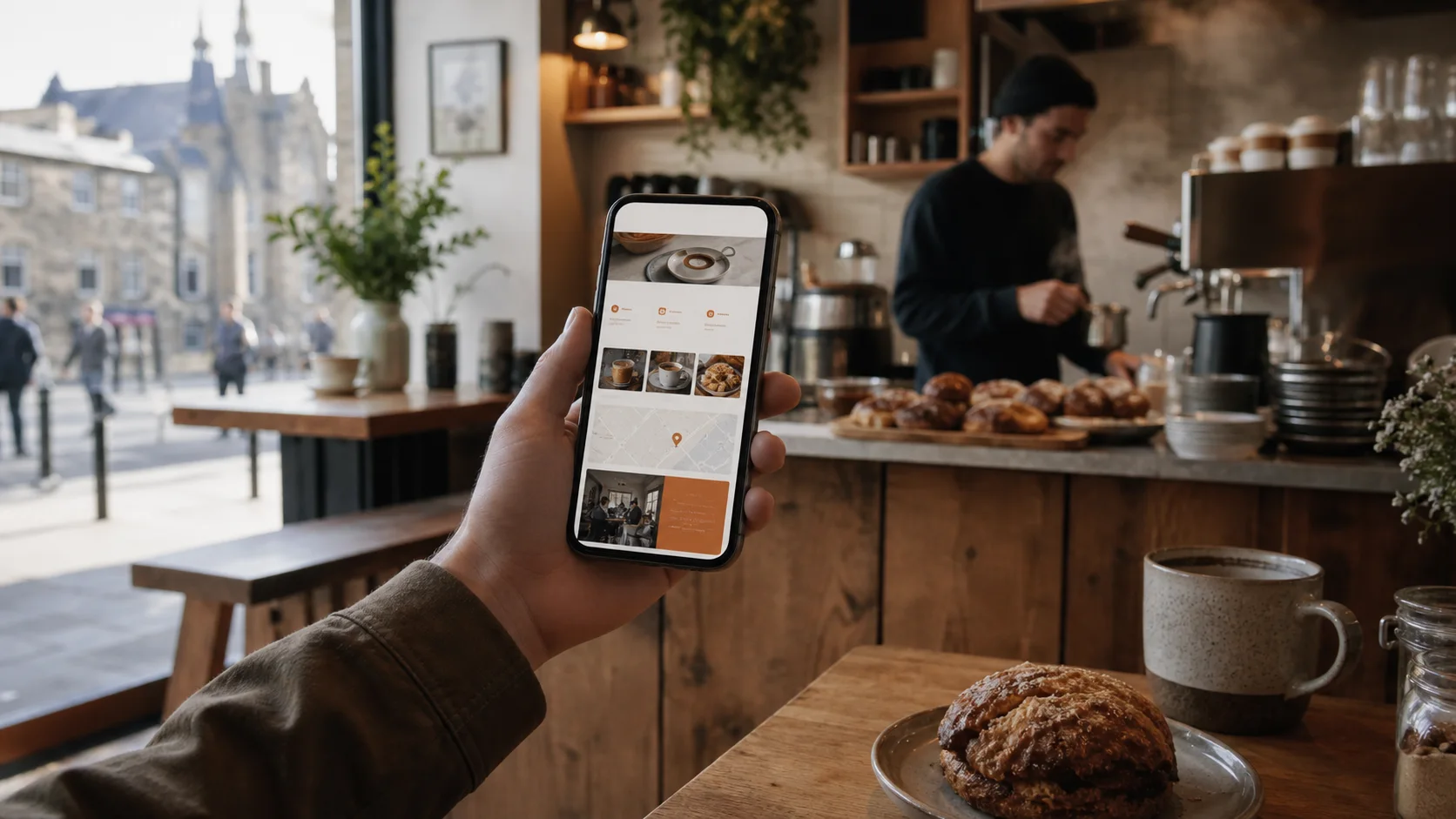
Test the site as a customer standing on the street with one hand and a weak connection. Can they see whether the restaurant is open, call, book, find the entrance, and understand the menu without zooming?
- Current menu, prices, and dietary approach
- Opening hours and special service times
- Address, map link, transport, and accessibility information
- Booking, cancellation, deposit, and large-party details
- Real photography with useful alternative text
- A fast route to call or message
Takeaway — The strongest restaurant website turns appetite into certainty before asking for a booking.
Real client work
Built for real businesses and real enquiries
These are live client websites, each planned around a different customer decision and conversion route.
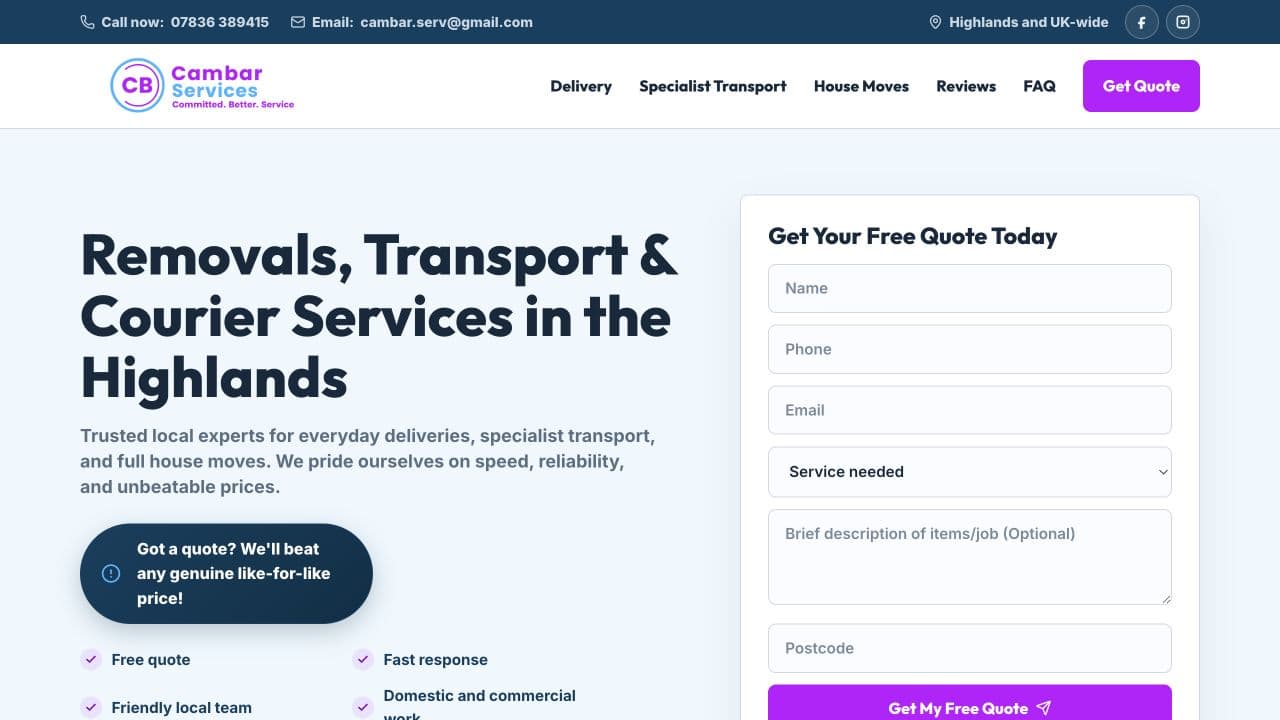
Cambar Services
Built for quote enquiries
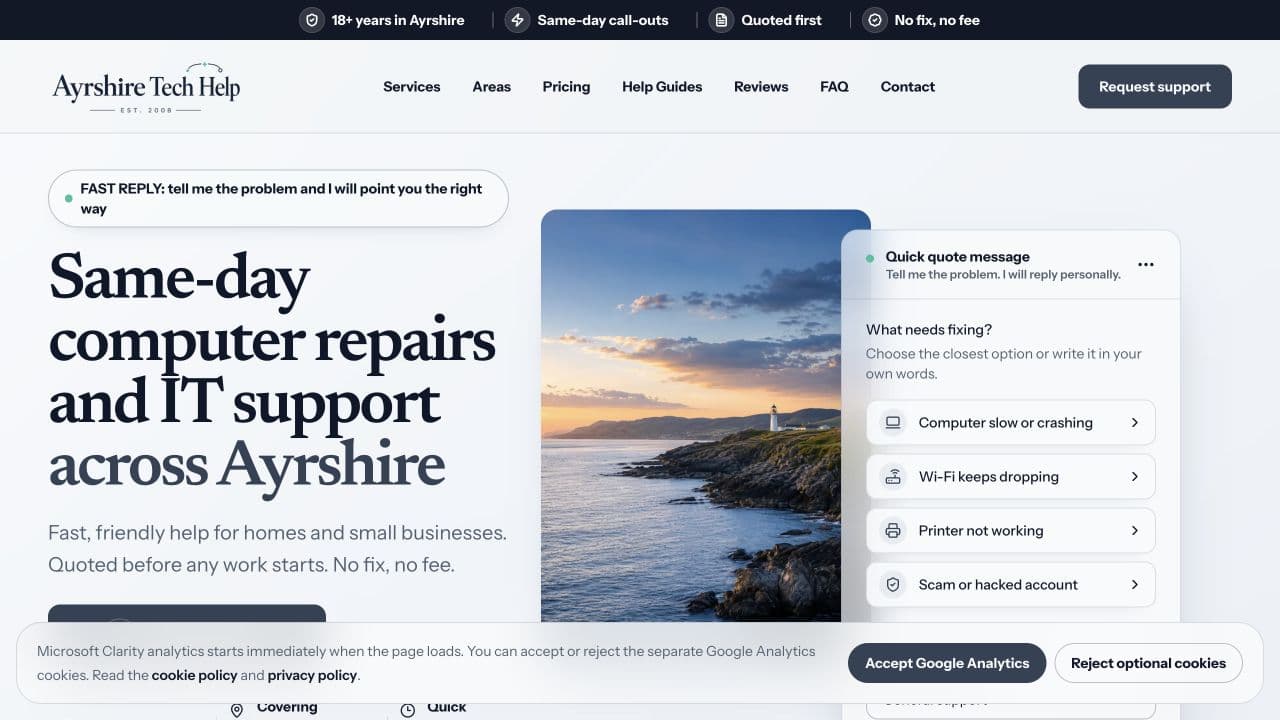
Ayrshire Tech Help
Built for local support enquiries
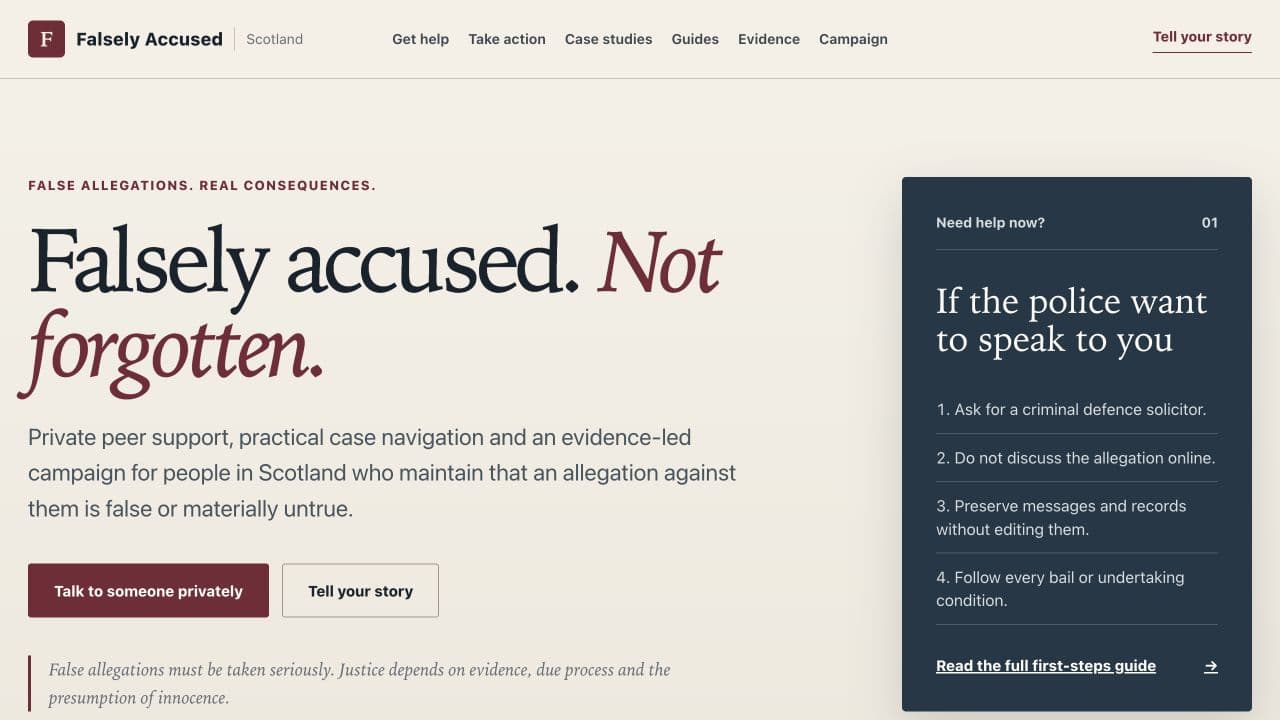
Falsely Accused Scotland
Built for clarity and safe navigation
Useful next step
See hospitality website design examples
Review Standard Web Co's café and hospitality concepts, then request a free direction for your own venue.
See hospitality website design examplesSources
- Creating helpful, reliable, people-first content — Google Search Central
- SEO Starter Guide — Google Search Central
- Google image SEO best practices — Google Search Central
- WCAG 2 Overview — W3C Web Accessibility Initiative