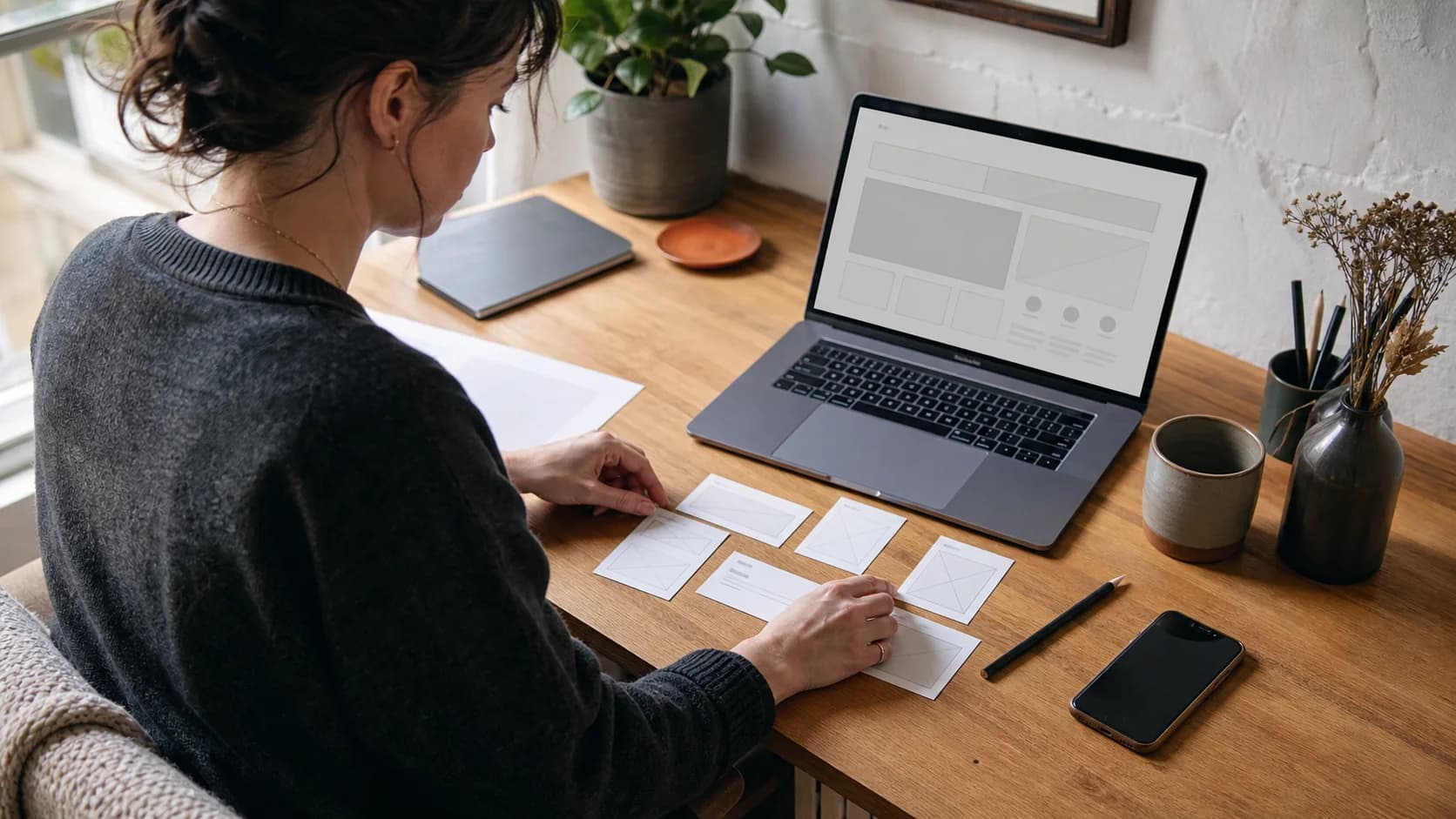
When a website can wait
An untested idea may be better served by customer conversations, a simple marketplace listing, a verified business profile, or a one-page waitlist. If the offer, audience, price, and delivery model change weekly, a large website can create rework without creating certainty.
Waiting should be a decision with a trigger, not indefinite avoidance. Decide what evidence—such as ten paying customers or a repeated information request—would justify building the first site.
When not having a website starts to cost
A site becomes important when referrals search the business and find little reassurance, staff repeat the same answers, social posts bury essential information, a booking or quote path is confusing, or competitors look easier to choose.
It also helps when the business needs a stable home for services, prices or price guidance, policies, accessibility information, case studies, and contact details.
Why social media is not the same thing
Social platforms are valuable for reach, conversation, and current work, but the platform controls the layout, visibility, account access, and rules. Customers may also need an account or be distracted before they find the information they came for.
Use social channels to bring people to an owned destination where the business controls the message, domain, customer journey, and measurement. Keep copies of important content and customer assets outside any single platform.
The smallest useful first website
A first site can be compact: a homepage that explains the offer and area, a clear service section or page, proof, the people or business story, and a dependable contact route. Add only the pages customers genuinely need.
Use a domain the business owns, a professional email address, readable mobile design, accurate policies, and a plan for updates. Those foundations matter more than an elaborate feature list.
A simple decision test
Ask five questions. Do customers search for you? Do they need reassurance before contacting you? Is important information hard to keep visible elsewhere? Would a clearer enquiry path save time or win work? Can you keep the site accurate? Several yes answers make a website a practical business tool rather than a vanity project.
If the answers are mostly no, improve the channels already producing work and review the decision when the business changes.
Takeaway — Build a website because it removes a real customer or business problem, not because every business is told it must have one.
Real client work
Built for real businesses and real enquiries
These are live client websites, each planned around a different customer decision and conversion route.
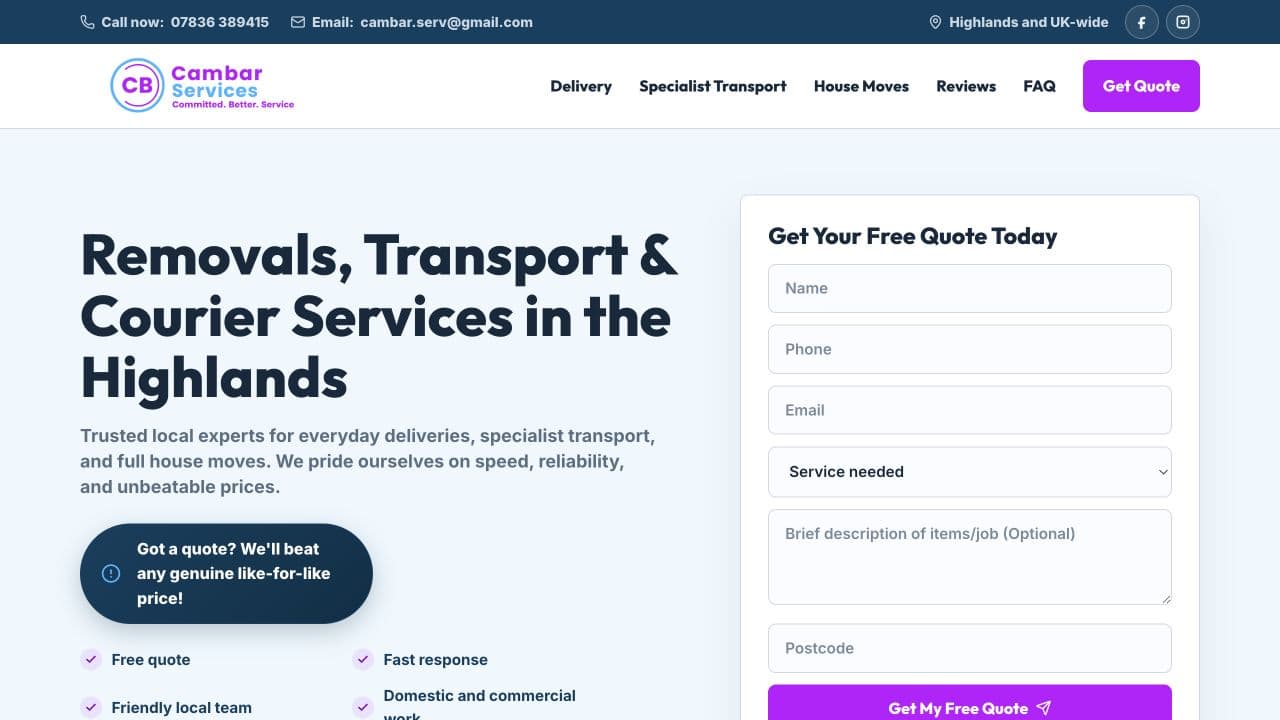
Cambar Services
Built for quote enquiries
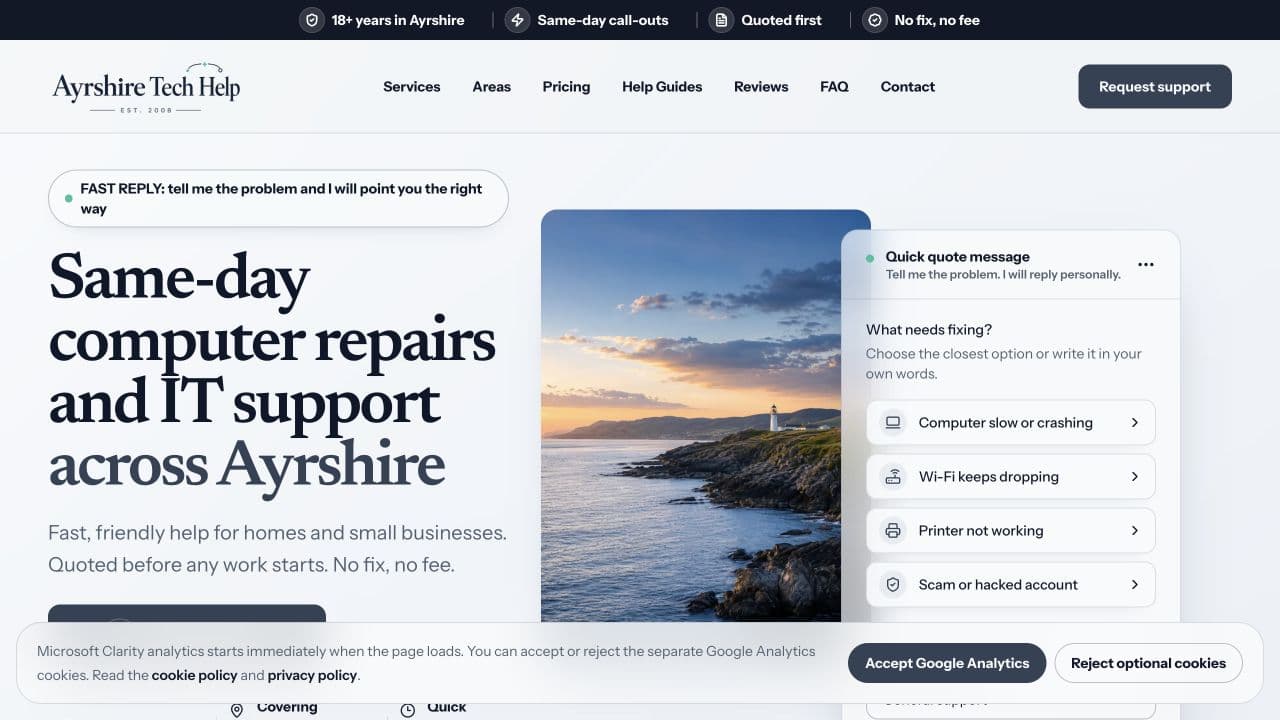
Ayrshire Tech Help
Built for local support enquiries
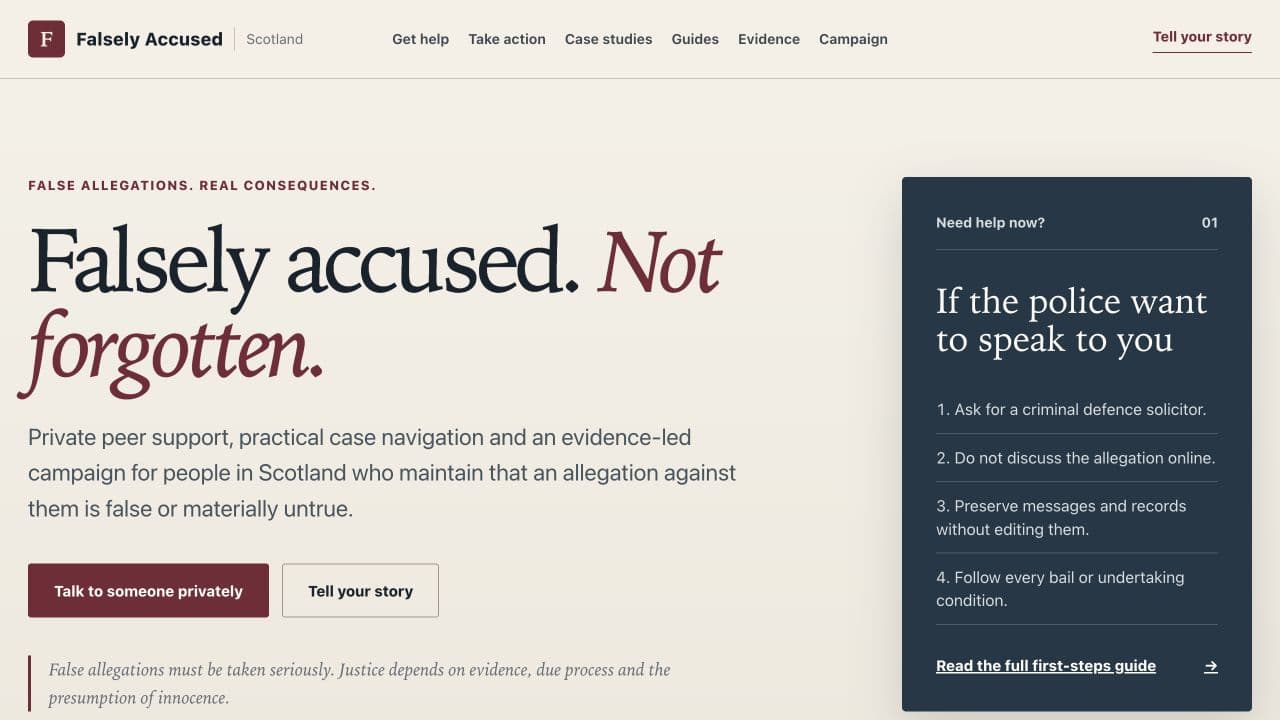
Falsely Accused Scotland
Built for clarity and safe navigation
Useful next step
Ask for a free homepage direction
If the decision is still unclear, send the business details and see what a focused first website could look like before committing.
Ask for a free homepage directionSources
- Creating helpful, reliable, people-first content — Google Search Central
- SEO Starter Guide — Google Search Central
- Tips to improve your local ranking on Google — Google Business Profile Help