
Start with the job the website must do
A five-page site for an established consultant is not necessarily simpler than a twelve-page site for a straightforward trade. The hard part may be positioning, copy, photography, booking logic, product data, or moving years of content without losing valuable search traffic.
Write down the commercial job before asking for prices. Do you need to look credible when someone checks a referral, generate local quote requests, sell products, reduce repetitive questions, take bookings, or support several locations? That answer determines where the budget should go.
Understand the four common cost buckets
Most quotes combine four kinds of work: discovery and strategy, content and visual production, development and technical setup, and ongoing operation. Two suppliers can use the same platform and still provide very different levels of thinking and finish.
- Strategy: audience, offer, page plan, conversion path, and priorities.
- Content: copywriting, photography, image selection, editing, and migration.
- Build: responsive layouts, forms, integrations, search setup, analytics, and testing.
- Care: hosting, security, software updates, backups, monitoring, and changes.
Why a low price can be sensible
Low cost does not automatically mean low quality. A focused offer can be affordable when the supplier has a repeatable production system, limits unnecessary meetings, reuses reliable technical foundations, and keeps the first release deliberately tight.
The important distinction is between efficiency and omission. Efficiency removes duplicated setup and admin. Omission removes the copy, testing, mobile care, ownership, or support that the business actually needs.
Why a higher price can also be sensible
Complex buying journeys, custom calculators, membership systems, stock integrations, multilingual content, regulated information, large migrations, and original photography all add real work. A higher quote can be excellent value when those requirements are genuine and the supplier can explain the effort clearly.
Be cautious when cost is justified only through vague language about workshops, transformation, or a proprietary process. Ask what will exist at the end, what decisions the process improves, and which deliverables are included.
A fair quote-comparison checklist
Ask every supplier the same questions. You will learn more from the differences in their answers than from a feature table.
- Who writes and approves the copy?
- How many pages and revisions are included?
- Are mobile layouts designed and tested?
- Who owns the domain and finished content?
- What are the monthly and annual costs?
- What happens if you leave?
- Who handles redirects, analytics, forms, privacy pages, and search metadata?
- What support is included after launch?
Takeaway — The cheapest quote is the one that reaches the required outcome without hidden rework, lock-in, or unnecessary scope.
Real client work
Built for real businesses and real enquiries
These are live client websites, each planned around a different customer decision and conversion route.
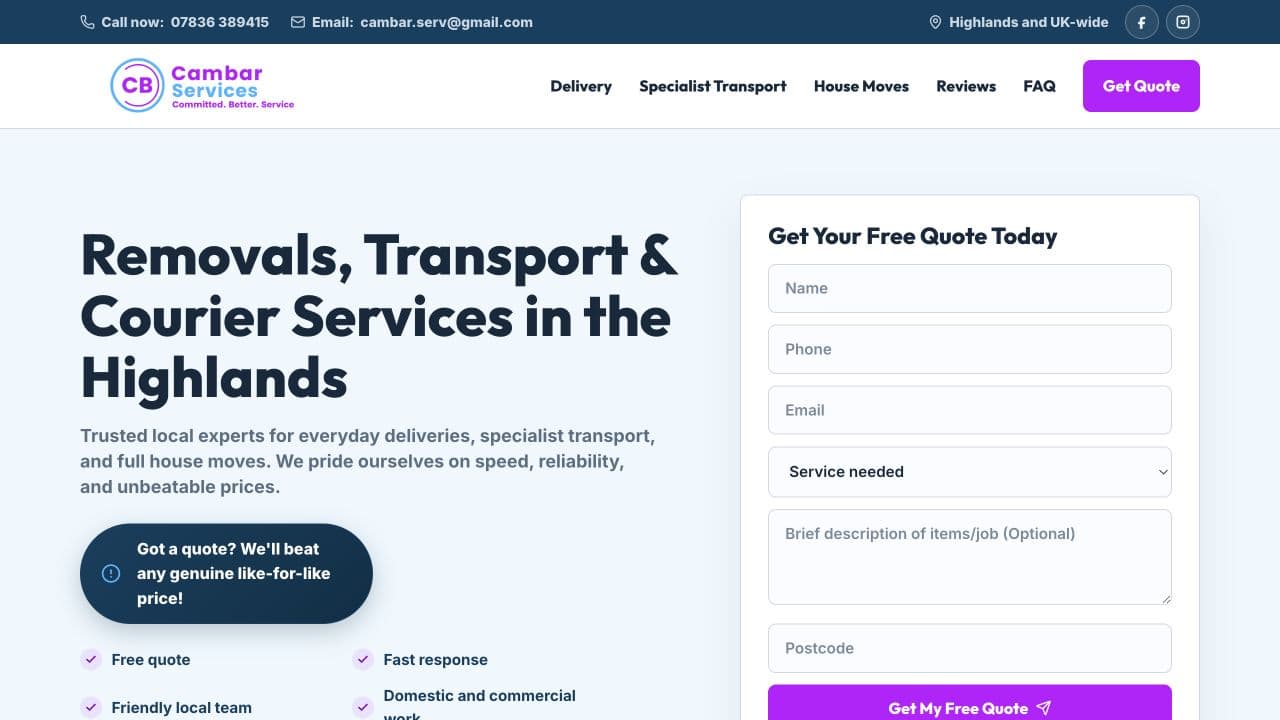
Cambar Services
Built for quote enquiries
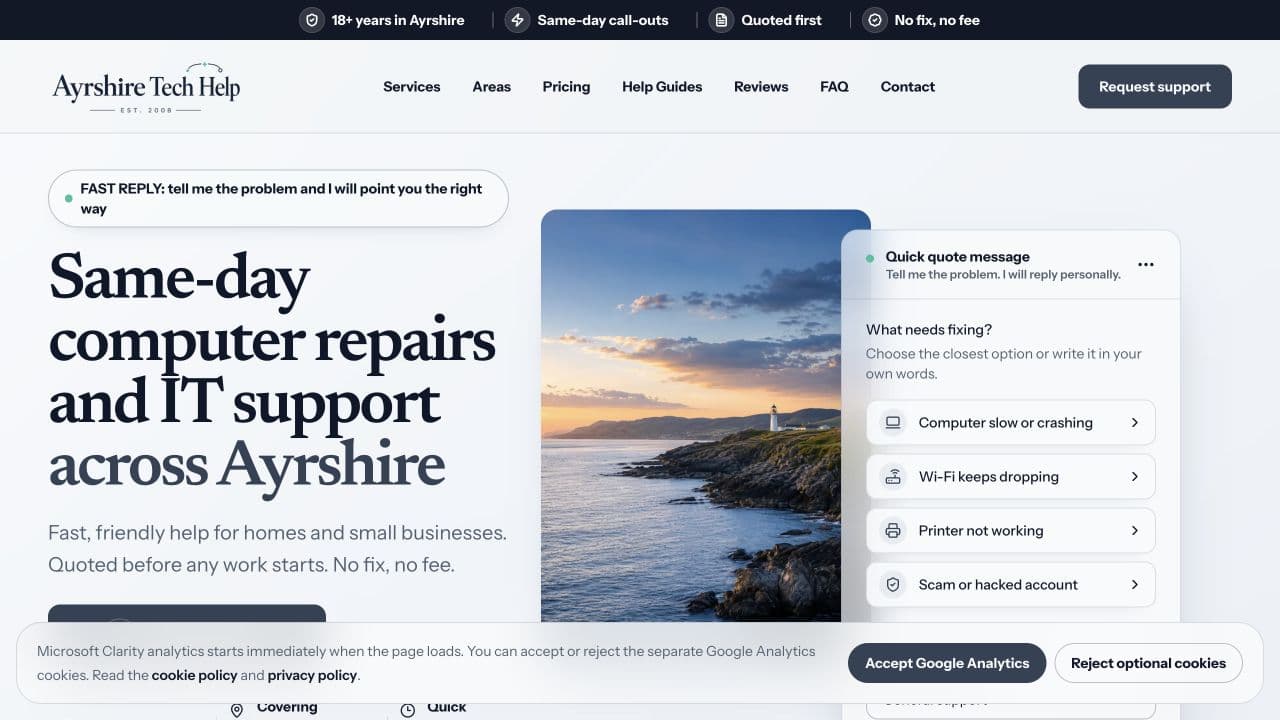
Ayrshire Tech Help
Built for local support enquiries
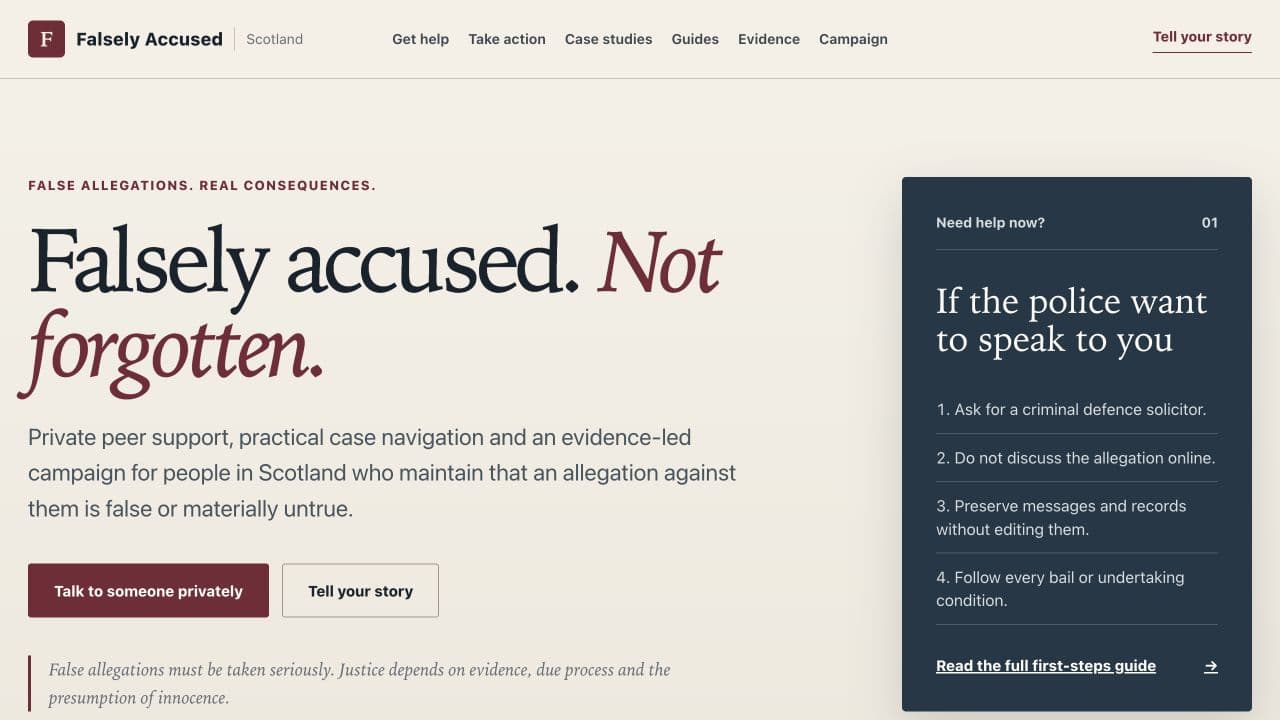
Falsely Accused Scotland
Built for clarity and safe navigation
Useful next step
See exactly what the £200 website includes
Compare the launch fee, monthly care, ownership, and included work before deciding whether the offer fits your business.
See exactly what the £200 website includesSources
- SEO Starter Guide — Google Search Central
- Creating helpful, reliable, people-first content — Google Search Central